Table of Contents
- Introduction
- What is Digital India and Why Does It Matter?
- Why Tier 2 Cities Are the New Startup Capitals of India
- The Digital Skills Creating Millionaires in Small-Town India
- Real Stories: How Ordinary People from Tier 2 Cities Got Rich Online
- Top Online Business Models Thriving in Tier 2 Cities
- How the Government’s Digital India Mission is Fueling This Revolution
- Challenges Tier 2 City Entrepreneurs Still Face Online
- How to Start Your Digital Journey from a Tier 2 City Today
- The Future of Digital India: What 2026 and Beyond Looks Like
- FAQ
- Conclusion
Introduction
Five years ago, if you lived in Patna, Surat, Coimbatore, or Jaipur, your career options were limited. You either moved to Mumbai or Delhi, or you settled for whatever local opportunity existed. The idea of building a ₹1 crore business from your bedroom in a Tier 2 city seemed like a fantasy.
Today, that fantasy is someone else’s reality.
Digital India is no longer just a government slogan. It is a full-scale economic revolution quietly unfolding in the smaller cities and towns of India — and it is minting millionaires at a pace nobody expected.
From a 22-year-old YouTuber in Indore earning ₹3 lakhs a month, to a housewife in Lucknow running a ₹50 lakh e-commerce business from her kitchen — the internet has become the single greatest equalizer India has ever seen.
In this blog, we unpack exactly how Digital India is creating millionaires in Tier 2 cities, which opportunities are driving this shift, and how you can be the next success story — regardless of where you live.
What is Digital India and Why Does It Matter?
Launched in 2015 by the Government of India, the Digital India initiative was designed to transform India into a digitally empowered society and knowledge economy. Its three core pillars are:
- Digital Infrastructure — High-speed internet, mobile connectivity, and digital devices for every citizen
- Digital Governance — Government services available online to reduce corruption and increase efficiency
- Digital Empowerment — Skilling citizens to participate in the digital economy
But here is what the government did not predict: the private sector and ordinary Indian citizens ran with this vision far beyond what any policy paper imagined.
When cheap smartphones arrived (thanks to Jio’s 2016 disruption), and when 1GB of mobile data dropped to ₹10 — India’s Tier 2 and Tier 3 cities got connected to the global digital economy for the first time. And they never looked back.
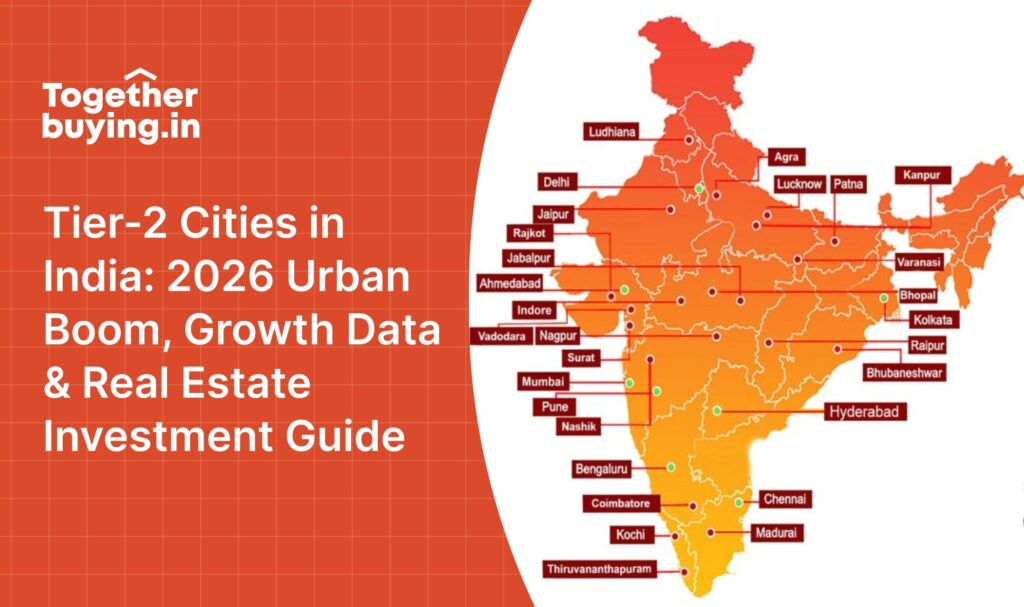
Today, India has over 800 million internet users, and a significant and growing portion of them are not from Mumbai or Bangalore — they are from Kanpur, Bhopal, Nagpur, Vadodara, and thousands of smaller towns across the country.
Why Tier 2 Cities Are the New Startup Capitals of India
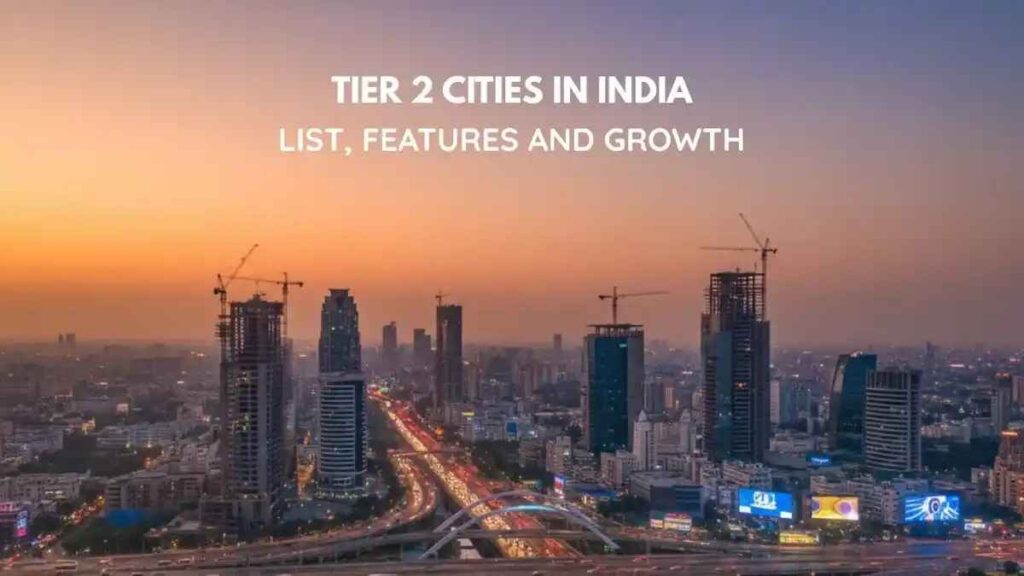
For decades, entrepreneurship in India was concentrated in a few metro cities. If you wanted funding, talent, or customers — you needed to be in Bangalore, Mumbai, or Delhi. That monopoly is now over.
Here is why Tier 2 cities have become the new frontier of India’s digital economy:
1. Dramatically Lower Cost of Living
A digital entrepreneur in Pune or Jaipur operates at a fraction of the cost compared to someone in Mumbai. Lower rent, lower salaries, and lower overhead means higher profit margins — even with lower revenue.
2. Less Competition, More Opportunity
While everyone is fighting over the same customer in metros, Tier 2 city entrepreneurs are tapping into underserved local markets and building loyal communities online.
3. Affordable and Improving Internet Access
With Jio, Airtel, and BSNL’s aggressive expansion, even smaller towns now enjoy 4G and increasingly 5G connectivity. Remote work and online business are now genuinely viable.
4. Growing Local Consumer Base
The Indian middle class is expanding fastest outside the metros. Tier 2 city consumers are spending more online every year — on education, fashion, food, and entertainment.
5. Rise of Regional Content and Vernacular Internet
Hindi, Tamil, Telugu, Marathi — content in Indian regional languages is exploding online. Creators and businesses that serve these audiences in their native language are growing extremely fast.
The Digital Skills Creating Millionaires in Small-Town India
Not every internet user becomes a millionaire. What separates those who do from those who don’t is a specific set of high-income digital skills. Here are the most powerful ones being used in Tier 2 cities today:
1. Content Creation (YouTube, Instagram, Podcasts)
India’s creator economy is valued at over $1 billion. Regional language YouTube channels from Tier 2 cities are routinely crossing 1 million subscribers and earning through AdSense, sponsorships, and merchandise.
2. Freelancing (Writing, Design, Development, Video Editing)
Platforms like Fiverr, Upwork, and Toptal allow someone in Nagpur to earn in US dollars by serving clients in the USA, UK, and Australia. A skilled video editor in a Tier 2 city can earn ₹80,000–₹2,00,000 per month.
3. E-Commerce and D2C Brands
Platforms like Meesho, Flipkart Seller Hub, and Amazon India have made it possible for anyone to sell products nationally from their hometown. Many successful D2C (Direct to Consumer) brands are now being built from Tier 2 cities.
4. Digital Marketing
Every business in India needs digital marketing — SEO, paid ads, social media management, and email marketing. A skilled digital marketer from any city in India can work with clients across the country and abroad.
5. Online Coaching and EdTech
India’s ₹1 lakh crore EdTech sector is largely built on the backs of teachers and subject matter experts from non-metro cities. Platforms like Unacademy, Teachable, and even WhatsApp groups are turning knowledge into lakhs of rupees.
6. Affiliate Marketing and Blogging
Bloggers and affiliate marketers from Tier 2 cities are building passive income streams by writing content that ranks on Google and earns commission on every product they recommend.
Real Stories: How Ordinary People from Tier 2 Cities Got Rich Online
🎥 The YouTuber from Indore
A 24-year-old college dropout from Indore started a Hindi personal finance YouTube channel in 2021. By 2024, the channel crossed 800,000 subscribers. Today, between AdSense, brand deals, and his own online course — he earns over ₹4 lakhs per month. He has never lived in Mumbai or Delhi.
👗 The Meesho Seller from Surat
A homemaker from Surat began reselling ethnic wear on Meesho during the pandemic. With zero investment in inventory (Meesho’s zero-inventory model), she scaled to ₹8 lakhs in monthly revenue by 2023, eventually launching her own D2C brand.
💻 The Freelancer from Nagpur
An engineering graduate from Nagpur, unable to find a good-paying job locally, learned web development through free YouTube tutorials. Within 18 months of starting on Upwork, he was earning ₹1.5 lakhs per month serving clients in Canada and Germany.
📚 The Online Tutor from Patna
A B.Ed graduate from Patna began teaching English grammar on YouTube during lockdown. Her channel grew to 2 lakh subscribers, and she now runs a paid online coaching program earning ₹6 lakhs per month — from the same city where she once struggled to find students.
These are not cherry-picked exceptions. Across India, thousands of stories like these are playing out every single month.
Top Online Business Models Thriving in Tier 2 Cities
If you are in a Tier 2 city and wondering where to start, here are the most proven online business models that are working right now:
🛒 1. E-Commerce (Meesho, Amazon, Flipkart)
Startup Cost: ₹0 – ₹20,000 Earning Potential: ₹50,000 – ₹10,00,000/month Best For: People with knowledge of local products, handicrafts, or fashion
📹 2. YouTube / Content Creation
Startup Cost: ₹5,000 – ₹30,000 (smartphone + basic mic) Earning Potential: ₹20,000 – ₹5,00,000+/month Best For: Teachers, storytellers, comedians, finance enthusiasts, lifestyle creators
✍️ 3. Blogging and Affiliate Marketing
Startup Cost: ₹3,000 – ₹10,000/year (domain + hosting) Earning Potential: ₹30,000 – ₹3,00,000+/month (passive) Best For: Writers, researchers, niche enthusiasts
💼 4. Freelancing
Startup Cost: ₹0 (just a laptop and internet) Earning Potential: ₹40,000 – ₹2,50,000/month Best For: Designers, developers, writers, video editors, marketers
🎓 5. Online Coaching / EdTech
Startup Cost: ₹0 – ₹15,000 (basic recording setup) Earning Potential: ₹1,00,000 – ₹20,00,000+/month Best For: Teachers, professionals, fitness trainers, language experts
📲 6. Social Media Management Agency
Startup Cost: ₹0 Earning Potential: ₹50,000 – ₹5,00,000/month Best For: People who understand Instagram, Facebook, and LinkedIn algorithms
How the Government’s Digital India Mission is Fueling This Revolution
The Digital India mission has created the infrastructure backbone that makes all of this possible. Here is what the government has done right:
- BharatNet Project — Connecting over 2.5 lakh gram panchayats with optical fibre internet
- PM Wani Scheme — Public Wi-Fi hotspots across small towns and villages
- Skill India / PMKVY — Free digital skills training for millions of youth
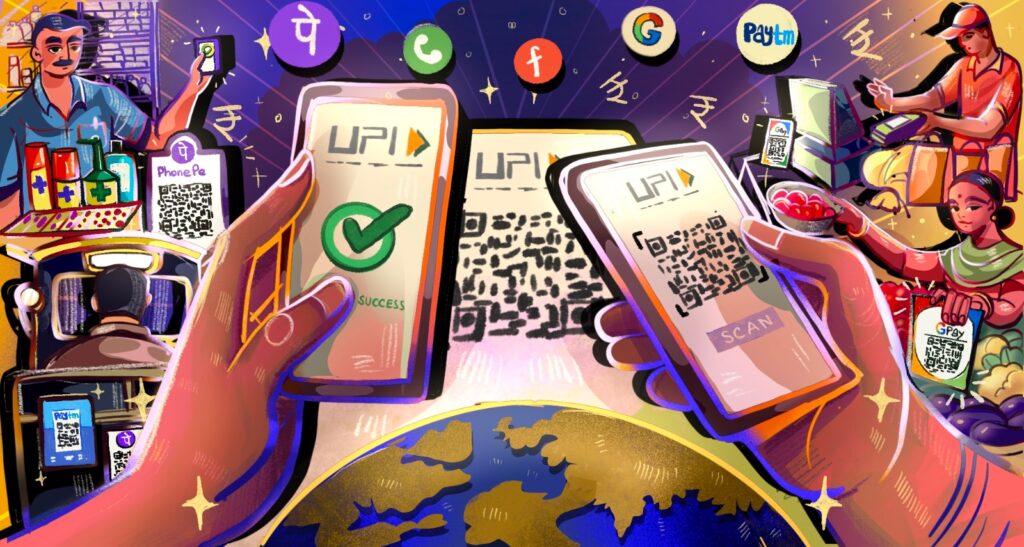
- India Stack (Aadhaar + UPI + DigiLocker) — Enabling digital identity and cashless payments across the country
- Startup India — Tax benefits, funding access, and regulatory simplification for new businesses
- GeM Portal — Allowing small businesses to sell directly to the government online
The result is that a young person in Ranchi now has access to the same internet speed, digital payments infrastructure, and business registration tools as someone in Bangalore — at a fraction of the cost.
Challenges Tier 2 City Entrepreneurs Still Face Online
Despite the revolution, it is important to be honest about the real challenges that still exist:
1. English Language Barrier
Many global platforms and resources are in English. While regional language content is growing, there is still a significant advantage for those comfortable with English — particularly for freelancing and global client work.
2. Digital Literacy Gap
Knowing how to use WhatsApp is very different from knowing how to run Facebook Ads or set up a Shopify store. The digital literacy required to actually run an online business is still lacking for many.
3. Payment and Banking Friction
International payments (for freelancers earning in dollars) can be complex. Opening a PayPal, Wise, or Payoneer account requires knowledge that many first-time entrepreneurs lack.
4. Slow Last-Mile Internet in Some Areas
While metro areas enjoy fast broadband, many Tier 2 and Tier 3 areas still depend on mobile data alone. Electricity cuts also remain a challenge in some regions.
5. Lack of Mentorship and Community
The startup and entrepreneurship ecosystem in Tier 2 cities is improving but still significantly thinner than in metros. Finding a mentor, co-founder, or investor locally remains harder.
How to Start Your Digital Journey from a Tier 2 City Today
You do not need to move to Bangalore. You do not need to wait for a perfect opportunity. Here is a simple 5-step roadmap to begin:
Step 1: Pick ONE Skill and Learn It Deeply
Choose from: content creation, freelancing, e-commerce, digital marketing, or online coaching. Go deep — not wide. Use free resources like YouTube, Google’s free courses, and Meta Blueprint.
Step 2: Build a Portfolio or Proof of Work
Nobody hires or buys from a stranger with nothing to show. Build 3–5 samples of your work — whether that’s a YouTube video, a blog post, a designed logo, or a product listing.
Step 3: Start Selling Before You Feel Ready
The biggest mistake is waiting until you feel “expert enough.” Start with low prices, get your first clients or customers, collect testimonials, and iterate.
Step 4: Invest in One Platform — Master It
Whether it’s Instagram, YouTube, Google (SEO), or Upwork — pick one platform and learn how it works deeply. Trying to be everywhere at once leads to mediocrity everywhere.
Step 5: Reinvest Your Earnings into Learning and Tools
Once you start earning, invest back in a better microphone, a paid course, or a business mentor. This is how small income streams become large ones.
The Future of Digital India: What 2026 and Beyond Looks Like
The Digital India revolution is still in its early stages. Here is what experts predict for the next 5 years:
- India will surpass 1 billion internet users by 2028, with most new users coming from Tier 2, 3, and 4 cities
- India’s creator economy is projected to reach $3.5 billion by 2027
- UPI transactions are expected to exceed $1 trillion annually, making digital commerce even more seamless
- AI tools like ChatGPT, Canva AI, and Midjourney will lower the barrier to content creation, making it easier for people in small towns to produce world-class content
- 5G rollout will bring high-speed internet to over 90% of Indian towns by 2027, eliminating the last major connectivity gap
The window of opportunity is wide open right now. Those who start today will have a significant first-mover advantage over those who wait.
FAQ
❓ What is Digital India and how does it help Tier 2 city residents?
Digital India is a government initiative launched in 2015 to provide digital infrastructure, digital governance, and digital empowerment to all Indian citizens. For Tier 2 city residents, it has created affordable internet access, digital payment systems, and online business infrastructure that allows anyone to participate in the digital economy regardless of location.
❓ Can someone really become a millionaire from a Tier 2 city in India?
Yes, absolutely. Thousands of Indians from cities like Jaipur, Indore, Surat, Patna, and Coimbatore have built businesses worth lakhs and crores through YouTube, e-commerce, freelancing, and online coaching. The internet does not care where you live — it cares about the value you provide.
❓ Which is the best online business to start in a Tier 2 city in India?
The best business depends on your skills and interests. However, the most beginner-friendly options are: reselling on Meesho or Amazon, starting a YouTube channel in your regional language, offering freelance services on Fiverr, or starting an online coaching program in a subject you know well.
❓ Do I need to know English to earn money online in India?
Not necessarily. India’s regional language internet is booming. Many of the most successful YouTubers and online entrepreneurs in Tier 2 cities create content in Hindi, Tamil, Telugu, Marathi, or Kannada and earn very well. That said, knowing English opens up opportunities for global freelancing and a larger audience.
❓ How much investment do I need to start an online business in India?
Many online business models require little to zero investment. Starting a YouTube channel requires only a smartphone. Blogging requires ₹3,000–₹5,000 for a domain and hosting. Reselling on Meesho has zero inventory cost. Freelancing requires only a laptop and internet connection.
❓ How long does it take to start earning money online?
It depends on the business model and your effort. Freelancing can generate income within 1–3 months. E-commerce on platforms like Meesho can generate income in weeks. YouTube typically takes 6–18 months to monetize. Blogging with SEO takes 6–12 months for consistent traffic. Patience and consistency are key.
❓ Is Digital India benefiting rural areas too?
Yes. The BharatNet project and PM Wani scheme are actively bringing internet connectivity to rural India. While the full impact is still unfolding, rural entrepreneurs are increasingly using WhatsApp Business, YouTube, and Meesho to sell locally produced goods nationally.
Conclusion
Digital India is not a distant promise — it is an ongoing revolution happening right now in the lanes of Jaipur, the colonies of Patna, the mohallas of Bhopal, and the streets of Coimbatore.
The internet has permanently broken the monopoly of metro cities on success, wealth, and opportunity. For the first time in India’s history, your postal code does not determine your potential.
The tools are free or cheap. The platforms are accessible. The market is enormous. The only question left is: are you going to take advantage of this moment — or watch someone else do it first?
If you are sitting in a Tier 2 city with a smartphone, an internet connection, and the willingness to learn — you have everything you need to build something great.
Stay updated, not outdated — and start today.
Written by Shivam | TheCommercio.com — Stay Updated, Not Outdated.
Explore more on TheCommercio.com — your home for business growth, investment insights, and digital strategy.