Introduction
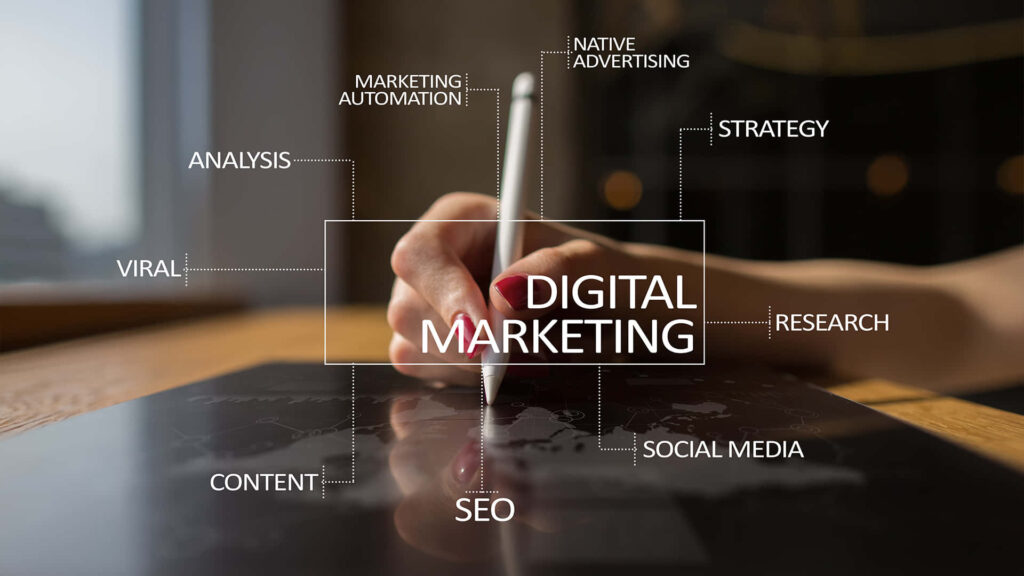
In today’s business environment, growth depends heavily on how well a company positions itself online. Traditional advertising still plays a role, but it no longer guarantees visibility in a crowded marketplace. A carefully designed Digital Marketing Strategy ensures that businesses reach their target audience, engage customers, and drive measurable results.
This blog explores why having a defined strategy is vital, what it involves, and how businesses can use it to achieve long-term growth.
Why Digital Marketing Strategy Matters
A strong Digital Marketing Strategy gives direction and purpose to all online efforts. Instead of scattering resources across different platforms, it ensures every campaign works toward a common goal. Without a strategy, businesses risk wasting time and budget without seeing meaningful results.
Key benefits include:
-
Clarity and focus: Aligns marketing activities with business objectives.
-
Cost efficiency: Prevents overspending on ineffective tactics.
-
Customer insights: Data-driven strategies reveal customer preferences.
-
Measurable success: Tools track engagement, leads, and conversions.
By prioritizing planning, businesses can stay competitive while adapting quickly to industry changes
1. Core Elements of a Strong Digital Marketing Strategy
To build a roadmap that drives growth, several essential components should be included:
1. Defining Clear Goals
Every strategy begins with goals—whether
it’s increasing sales, generating leads, or
building brand awareness.
Goals should follow the SMART model
(Specific, Measurable, Achievable, Relevant, Time-bound).
2. Knowing Your Audience
A successful Digital Marketing Strategy relies on deep audience insights.
Researching demographics, online behavior,
and buying habits helps businesses create messages that resonate.
3. Search Engine Optimization (SEO)
SEO ensures visibility on search engines.
By optimizing websites, businesses attract organic traffic
that grows consistently over time.
SEO includes keyword research, content optimization,
link-building, and technical improvements.
4. Content Marketing
Content is the foundation of digital success.
Blogs, videos, infographics, and guides provide value
to customers while boosting search rankings.
High-quality content builds authority
and encourages customer loyalty.
5. Social Media Engagement
Social platforms are essential for building relationships.
Consistent posting, community interaction,
and targeted ads help brands stay visible while humanizing their voice.
6. Email Marketing
Email remains one of the highest ROI channels.
Personalized campaigns nurture leads,
promote products, and maintain customer relationships at a low cost.
7. Paid Advertising (PPC)
Pay-per-click ads drive instant visibility.
When integrated with SEO and content marketing,
they generate quick results while supporting long-term goals.
8. Analytics and Reporting
No Digital Marketing Strategy is complete without data tracking. Analytics tools provide insights into performance, allowing businesses to refine campaigns and maximize return on investment.
2. Real-Life Applications
-
Startups often rely on digital campaigns for affordable brand exposure.
-
E-commerce stores use targeted ads and SEO to boost traffic and sales.
-
Service-based companies leverage content marketing and social media to build trust with potential clients.
Each case shows how strategy ensures businesses don’t just reach audiences but also engage them effectively.
3. Challenges in Building a Strategy
While essential, developing a Digital Marketing Strategy comes with challenges:
-
Constant platform changes: Algorithms evolve frequently.
-
High competition: Businesses compete for limited attention spans.
-
Content overload: Standing out requires originality and creativity.
-
Budget allocation: Deciding where to spend for maximum impact can be tricky.
Overcoming these challenges requires adaptability, ongoing learning, and a willingness to experiment with different tactics.
4. The Future of Digital Marketing Strategies
As technology advances, strategies will continue to evolve. Artificial intelligence, automation, and predictive analytics will help businesses target customers more effectively. Voice search, video-first campaigns, and interactive content are already shaping how strategies are built.
Companies that embrace innovation while maintaining a customer-first approach will continue to thrive.
5. Best Practices for Sustainable Growth
To ensure long-term success, businesses should:
-
Focus on customer experience.
-
Update strategies regularly based on analytics.
-
Invest in mobile-friendly and fast-loading websites.
-
Maintain consistency across all channels.
-
Build authentic relationships instead of chasing short-term gains.
These best practices turn a marketing plan into a growth engine.
Conclusion
In an era where customers are always connected, having a well-defined Digital Marketing Strategy is no longer optional—it’s essential. From SEO and content creation to social media, email, and paid campaigns, each element works together to create a strong foundation for growth.
Businesses that invest in a structured, data-driven approach will not only stand out from competitors but also build long-term customer loyalty. The key lies in planning, execution, and constant adaptation to the digital world.
Follow Us On:- Instagram.